Read the full regulatory deep dive on the Holt Law Blog: #PeptideTherapy #FDAEnforcement #HealthcareLeadership #MedSpaCompliance #HealthLaw2026 #HoltLaw #ClinicalGovernance | Holt Law - Healthcare Business Law Firm
Always consult your healthcare provider before combining with other compounds

Volume of Research Total published studies : Approximately 30-40 peer-reviewed papers specifically on BPC 157 Period of research : First studies emerged in the mid-1990s, with most research occurring in the last 15 years Primary research centres : Most research has come from universities in Croatia, with additional studies from China, the US, and various European institutions Animal models used : Primarily rats and mice, with limited studies in larger animals In vitro studies : Several laboratory studies examining cellular effects Quality and Limitations of Research Human clinical trials : Extremely limited, with only a handful of small pilot studies Sample sizes : Most animal studies have used relatively small sample sizes (10-30 subjects per group) Study duration : Typically short-term, ranging from days to a few months Replication : Limited independent replication of key findings Funding sources : Many studies have been conducted by the same research groups Publication bias : The Possibility of unpublished negative results Research Gaps Important areas with insufficient research include: Long-term safety : Minimal data beyond a few months of use Human efficacy : Lack of large-scale, controlled human trials Interactions : Limited understanding of interactions with medications or other supplements Dosing optimisation : Lack of clear dose-response studies Delivery methods : Limited comparison of different administration routes Genetic factors : No research on how genetic variations might affect response Sex differences : Limited research on potential differences in male vs
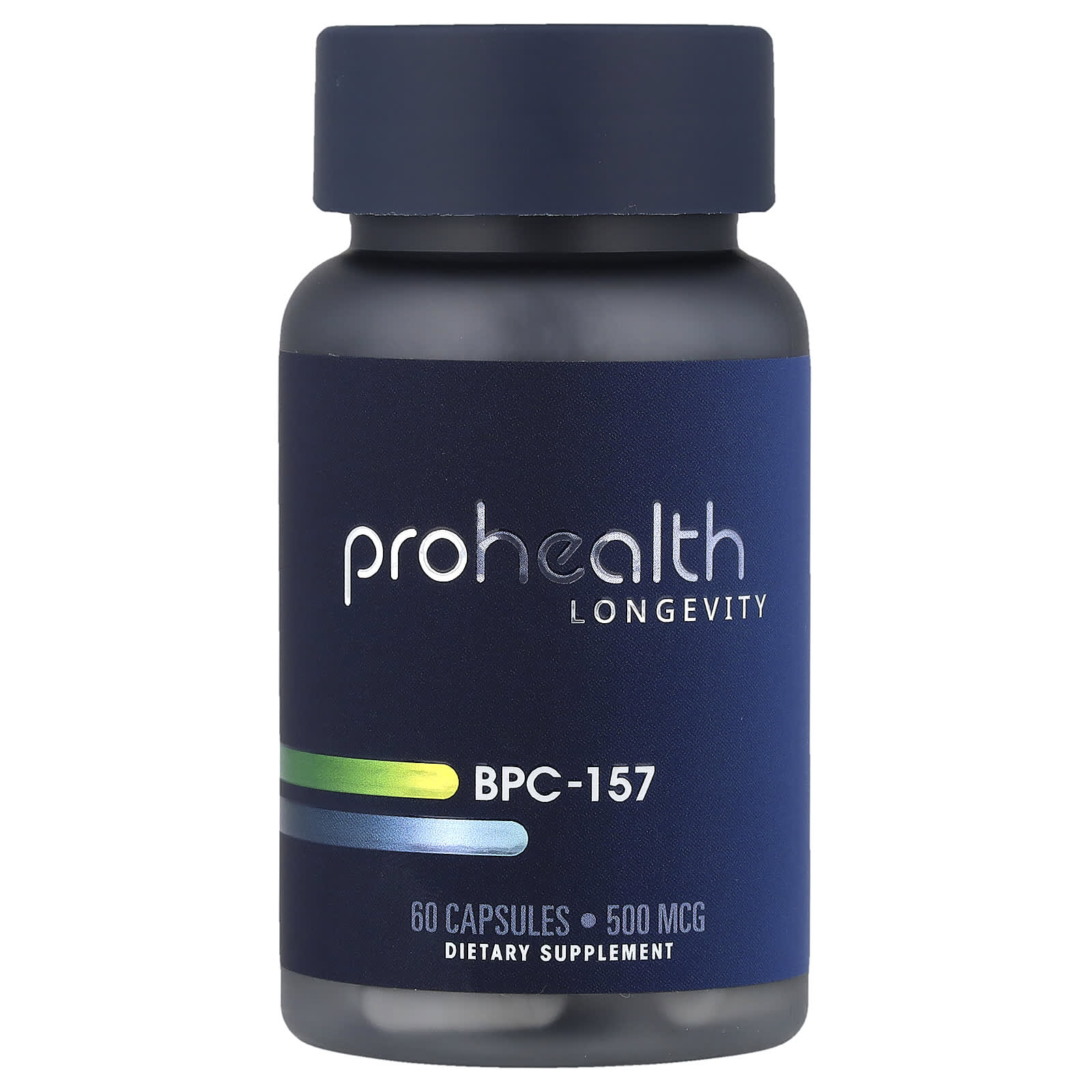
BPC-157 (Body Protection Compound-157, CAS 137525-51-0, ~1419 g/mol) is a synthetic pentadecapeptide studied in vitro and in preclinical models for interactions with nitric oxide signalling, VEGF and EGF growth-factor pathways, and cytoprotection
That is, the determination of whether an ACO is eligible for shared savings under section 1899(d) of the Act, and the amount of such shared savings, as well as the underlying financial calculations are precluded from administrative and judicial review under section 1899(g)(4) of the Act and 425.800(a)(4)


